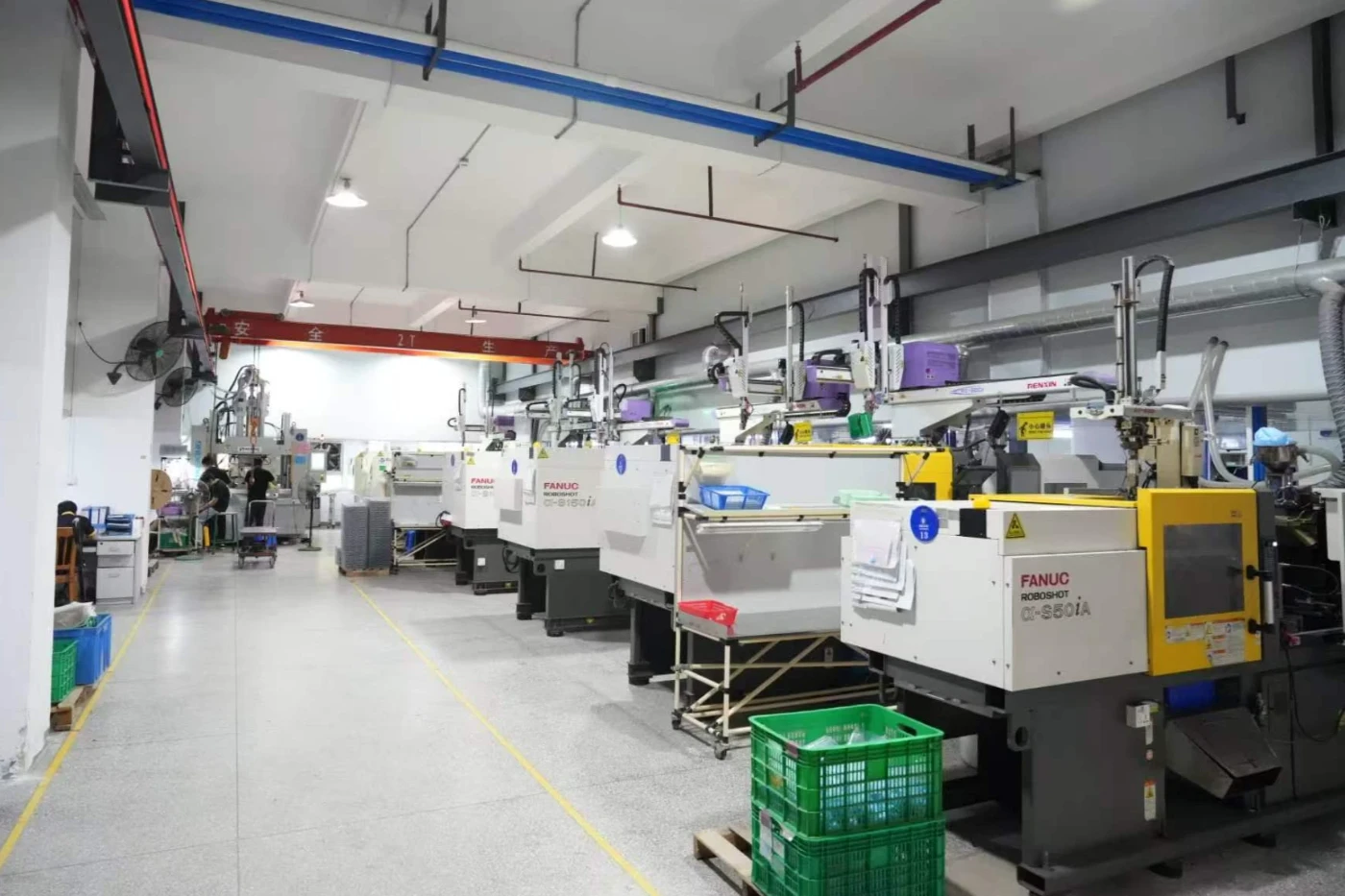
Injection molding process integrated with automation for production
Dongguan Yukun Electronic Technology Co., Ltd. is located in Tangxia, Dongguan, specializing in precision injection molding and insert molding processing of electronic components. With years of deep industry experience, we provide supporting precision injection molding, automated assembly, and full-chain production capacity for finished products. Focusing on the industry pain points of difficult molding and low yield rates for micro electronic components, we have achieved significant cost reduction and quality improvement through technical transformation relying on injection molding process tuning and production line automation upgrades. We are well-suited to meet the delivery requirements of automotive, industrial control, and consumer electronics supply chains.
东莞市裕坤电子科技有限公司
制造业
Project Details
Dongguan Yukun Electronic Technology Co., Ltd. specializes in precision processing of electronic components, primarily focusing on injection molding of connectors, insulating bases, electronic packaging accessories, and other components. The industry faces challenges such as large insert alignment deviations, high rates of injection molding overflow, low manual material retrieval efficiency, and inconsistent batch quality. To meet the high-quality delivery requirements of consumer electronics and automotive electronics customers, the company has optimized its injection molding process and upgraded its production line with lightweight automation, achieving integrated production of process, equipment, and quality inspection. Leveraging the local supply chain advantages in Dongguan, the company adapts to two types of order production modes: small batches of multiple categories and large batches of mass production, balancing flexible production capabilities with standardized quality control requirements, and addressing the shortcomings of traditional injection molding processing in terms of intelligence.
| ||||||||
1. Production pain points
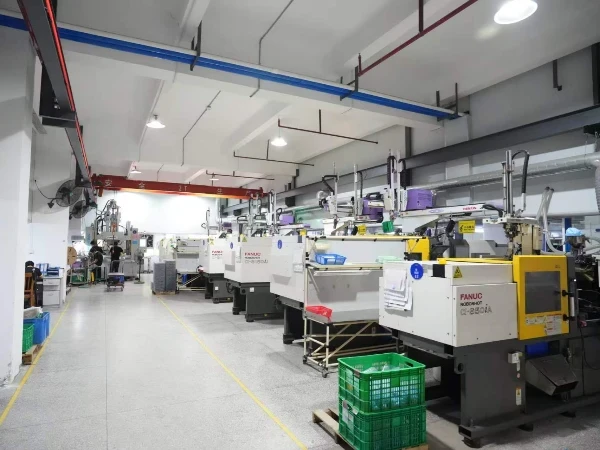
The original semi-automatic production line relied on manual placement of metal PIN inserts and manual retrieval and placement of injection molded products. On the one hand, the positioning accuracy of micro-component inserts was insufficient, resulting in a high rate of eccentricity and missing glue defects after injection molding, reaching up to 7.2%. On the other hand, the pace of manual operation was unstable, and the cooling time of injection molding was uncontrollable, limiting production capacity. Meanwhile, labor costs in the workshop have been rising year by year, making it difficult to meet the delivery standards for large-scale orders. Furthermore, manual operations are prone to generating fingerprints and oil stains that contaminate plastic products, causing appearance defects and leading to a high frequency of customer return complaints, which restricts the company's expansion into high-end business.
II. Process + Automation Renovation Plan
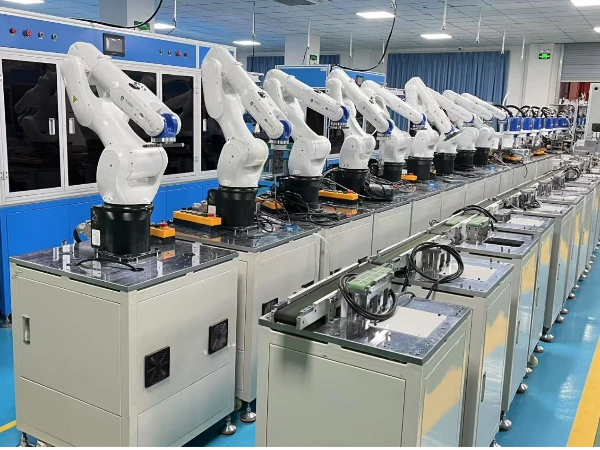
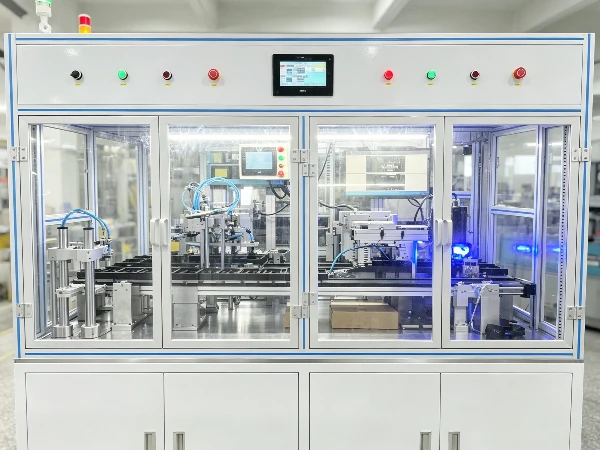
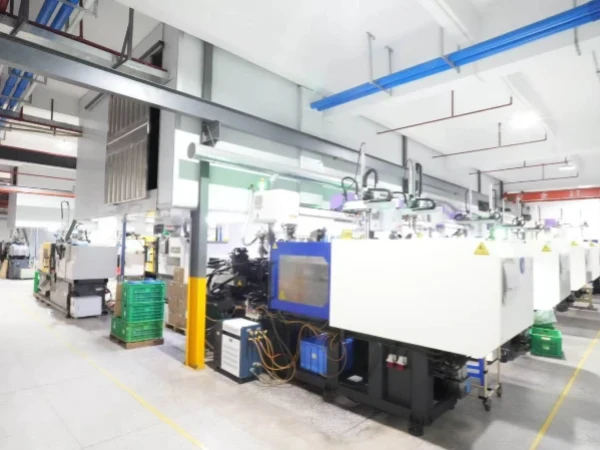
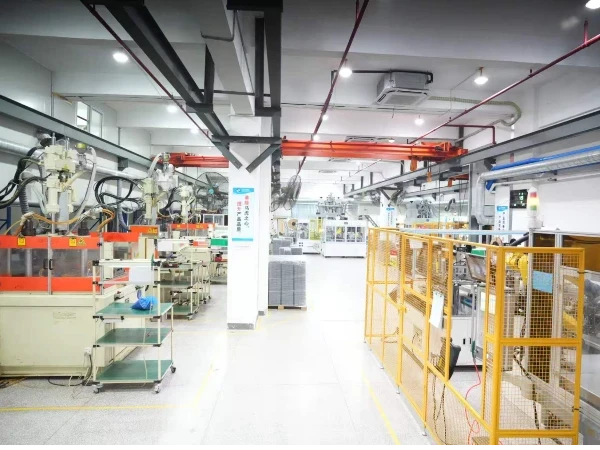
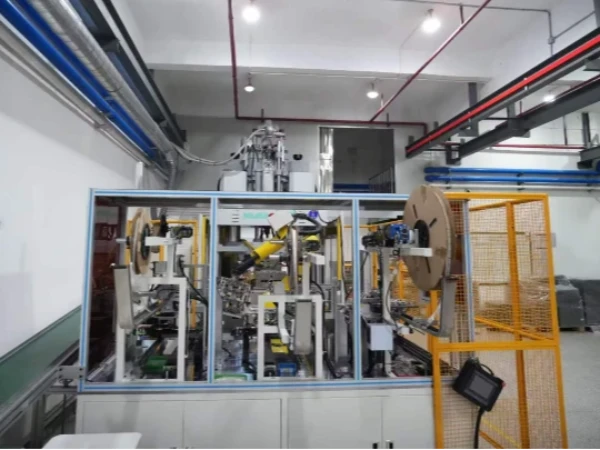
Combining the thin-walled and high-precision characteristics of electronic components, Yukun Electronics optimizes the injection molding parameters: refining the packing segmented process, optimizing the mold temperature control curve, and incorporating the in-mold parting process to eliminate the post-process trimming step; simultaneously, it deploys a lightweight automation unit consisting of a servo injection molding machine and a three-axis vertical robotic arm, equipped with a visual alignment system and a discharge self-checking module. This approach avoids significant technological transformation investment, reuses the existing injection molding equipment in the factory, maximizes the utilization of existing production assets, and lowers the threshold for upgrading.
Production process: The automatic feeder completes the dehumidification and precise feeding of plastic raw materials → the visual camera positions and corrects the metal inserts → the robotic arm precisely grasps the inserts and places them into the precision mold → the closed-loop temperature control performs segmented injection molding → after the mold is opened, the robotic arm simultaneously extracts the material → automatic cutting of sprues + AI re-inspection of external dimensions → the qualified products are automatically collected and stored, with no manual intervention required throughout the entire process.
III. Implementation Effectiveness
This transformation meets the refined processing requirements of electronic components, without significantly replacing the original production equipment, ensuring controllable transformation costs. After the transformation, the injection molding defect rate of components has been reduced to within 1.5%, and the precision of insert alignment has been improved to ±0.02mm; the production capacity of a single production line has increased by 38%, reducing front-line operational manpower by 60%; product consistency has been significantly optimized, successfully passing the in-vehicle electronic material review, effectively shortening the delivery cycle, balancing production cost, processing quality, and delivery efficiency, providing a low-cost implementation approach for small and medium-sized electronic processing enterprises to upgrade their injection molding intelligence.