car
New Energy Vehicle — Smart Driving Radar & ESP Housing Solution
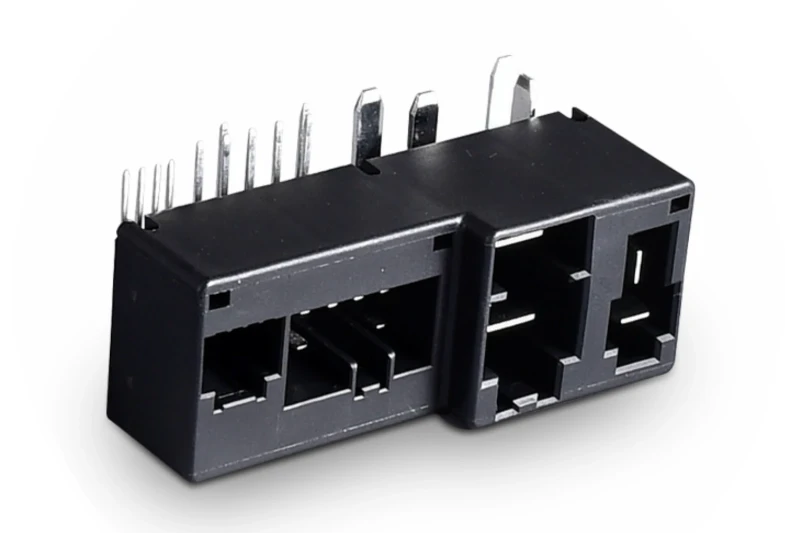
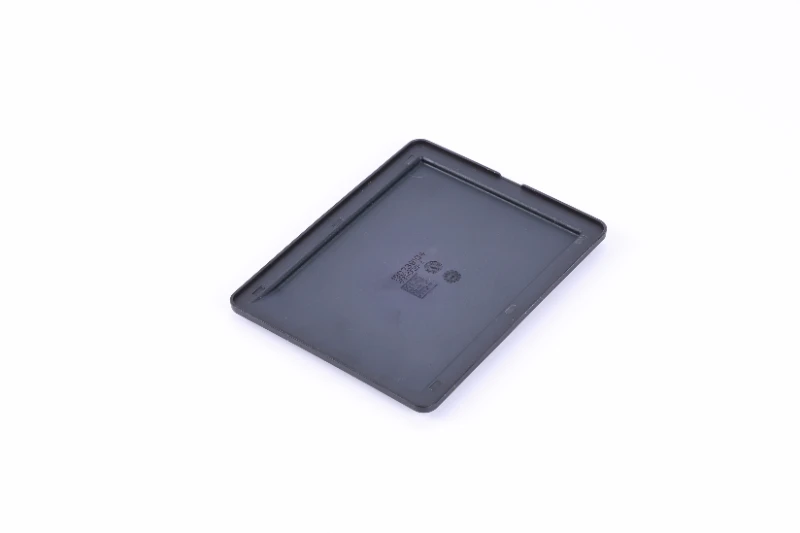
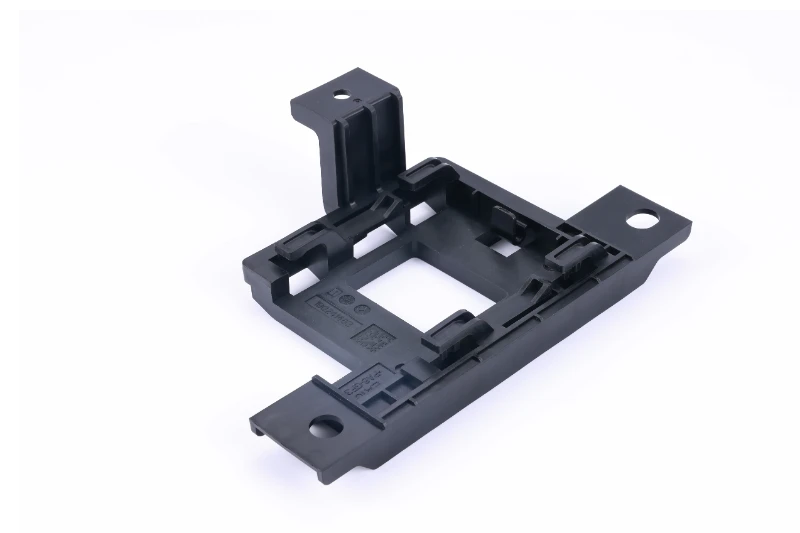
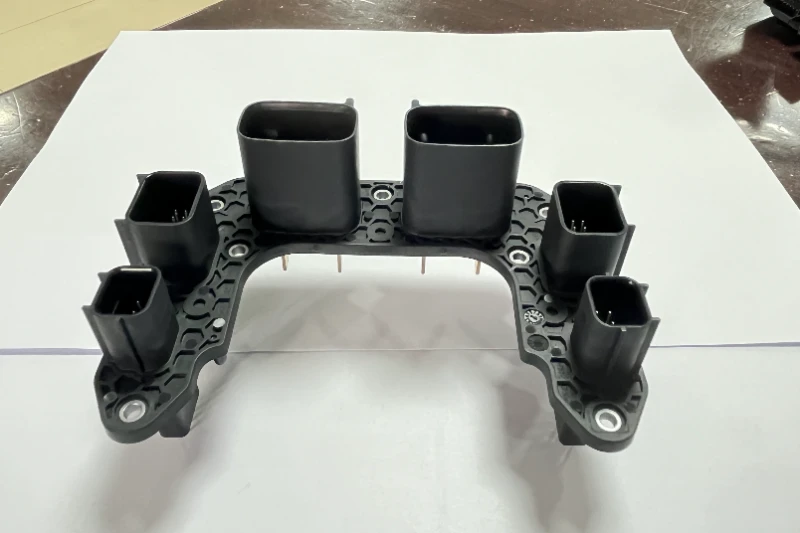
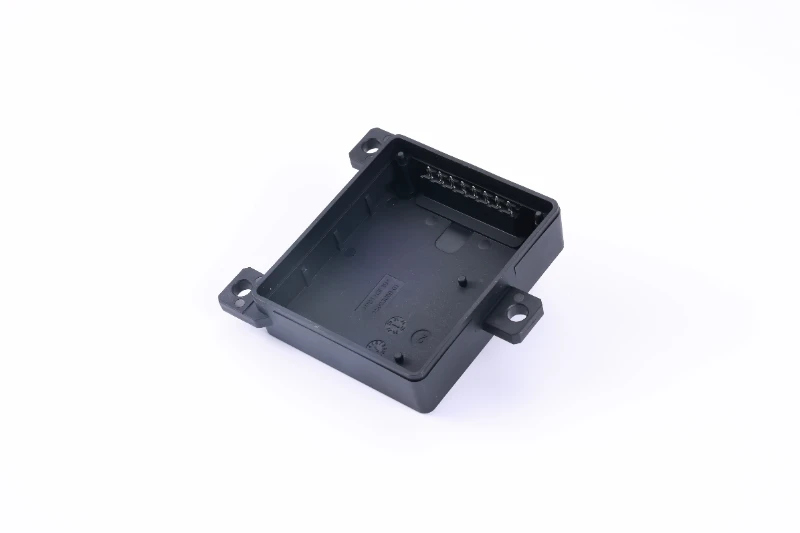
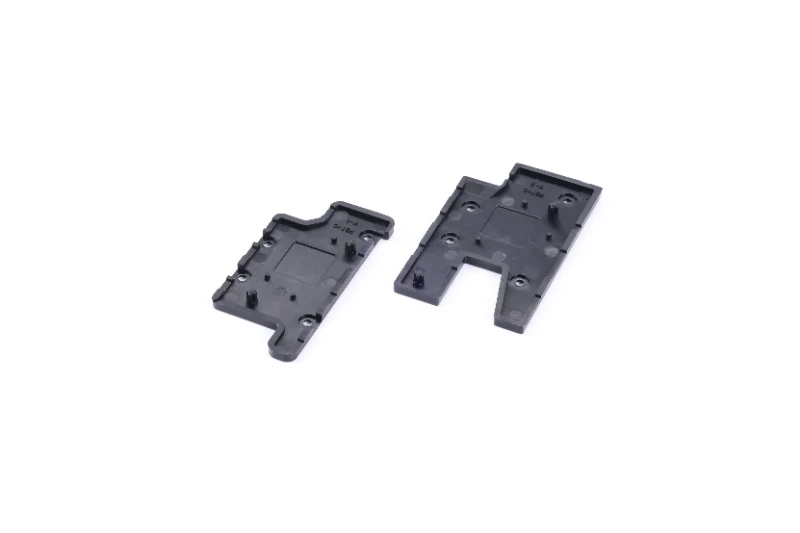
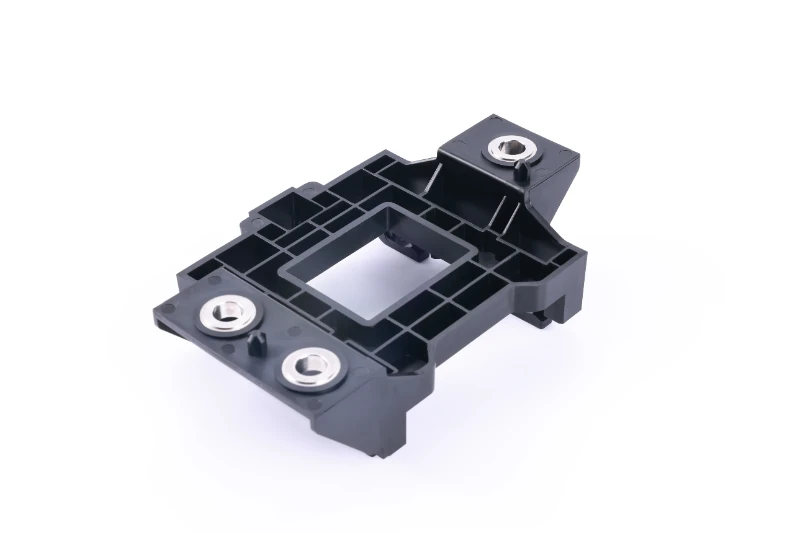
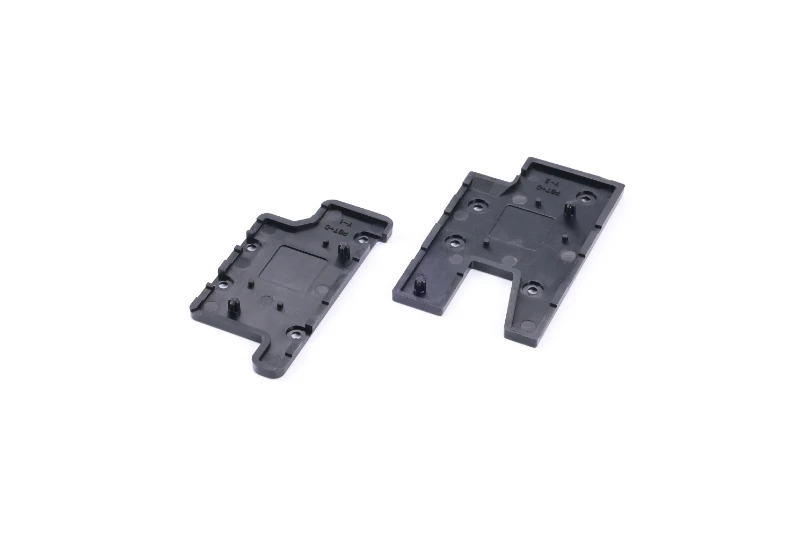
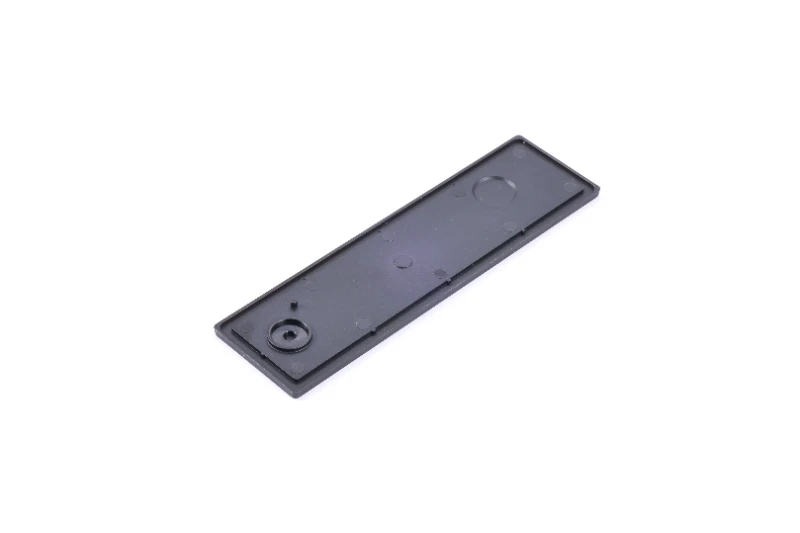
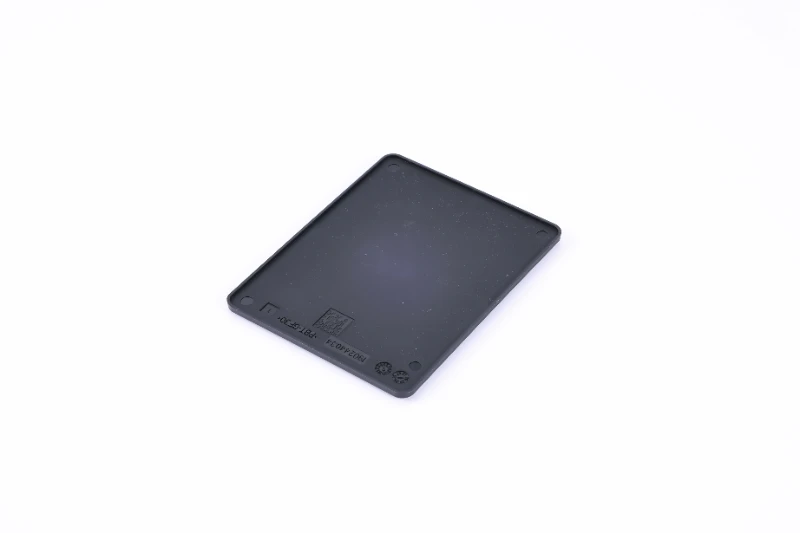
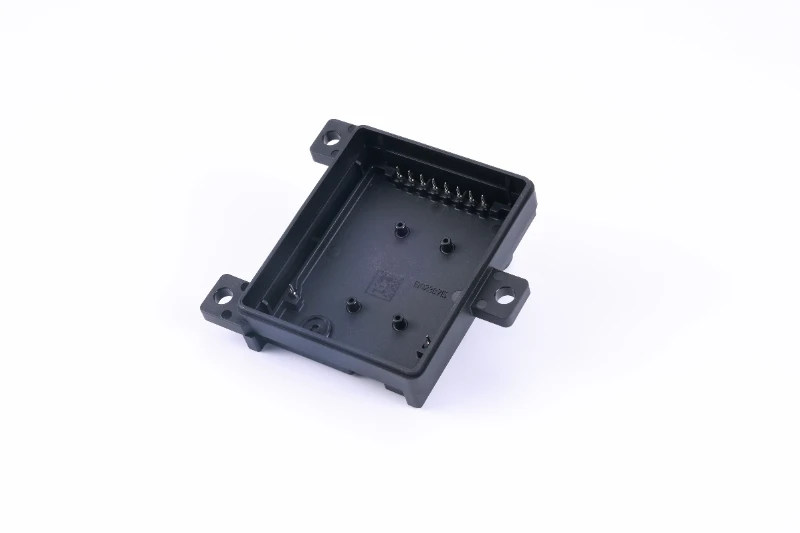
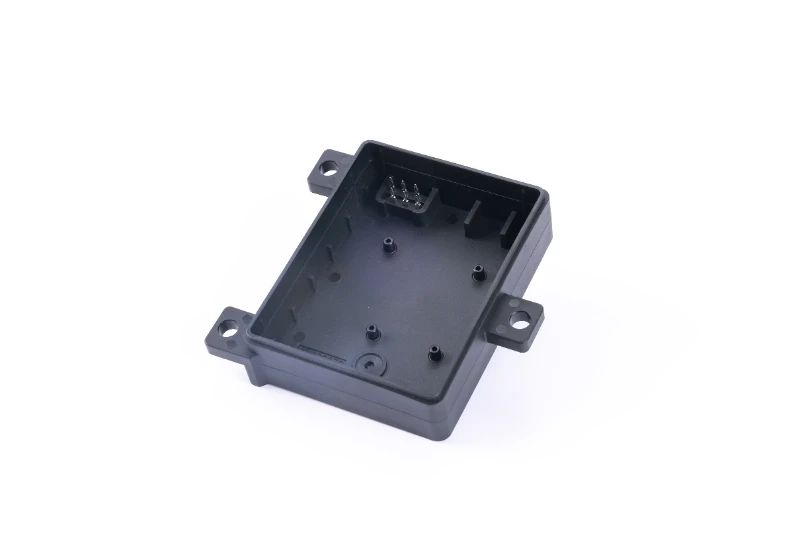
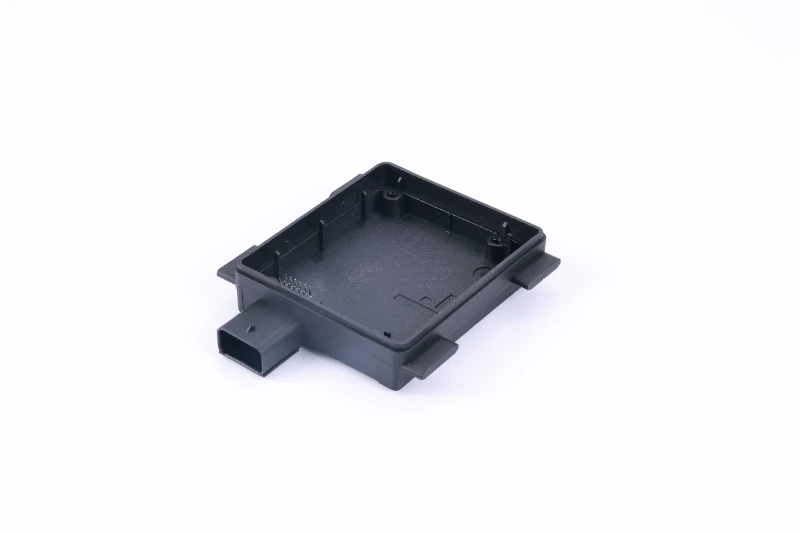
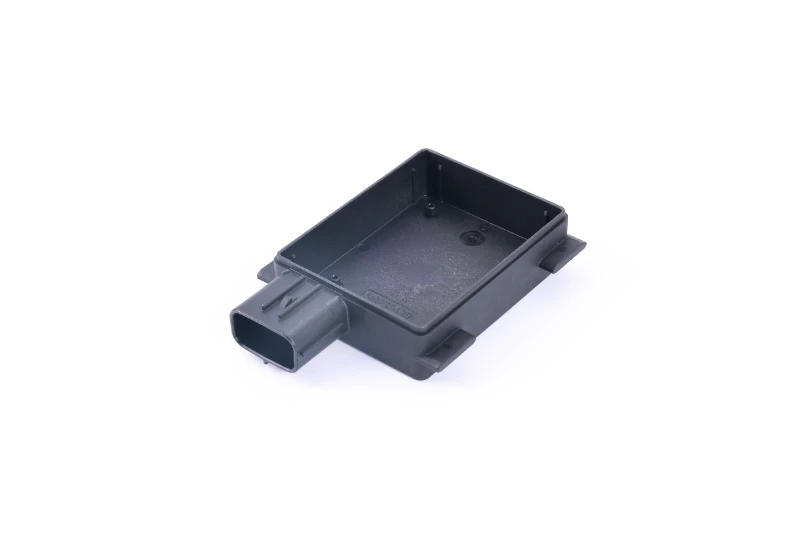
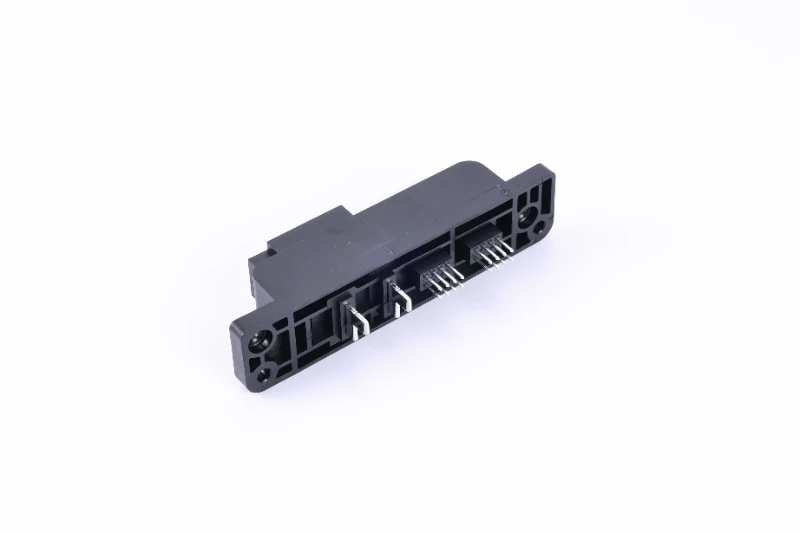
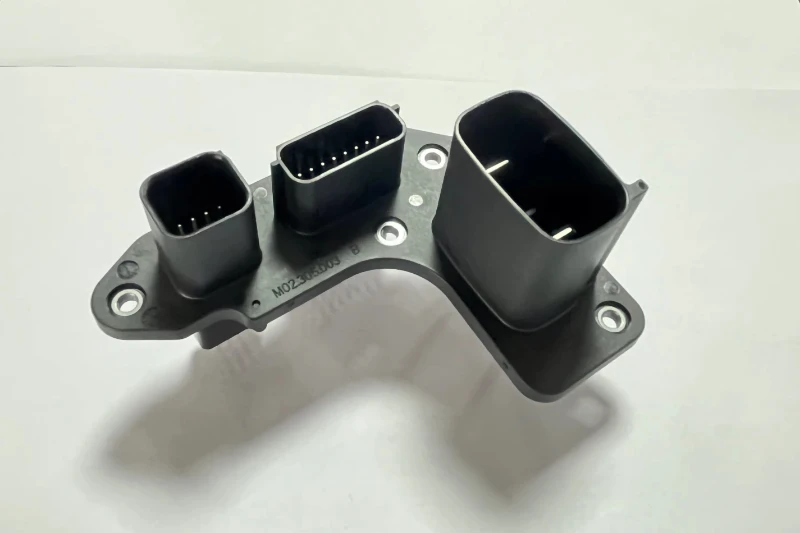
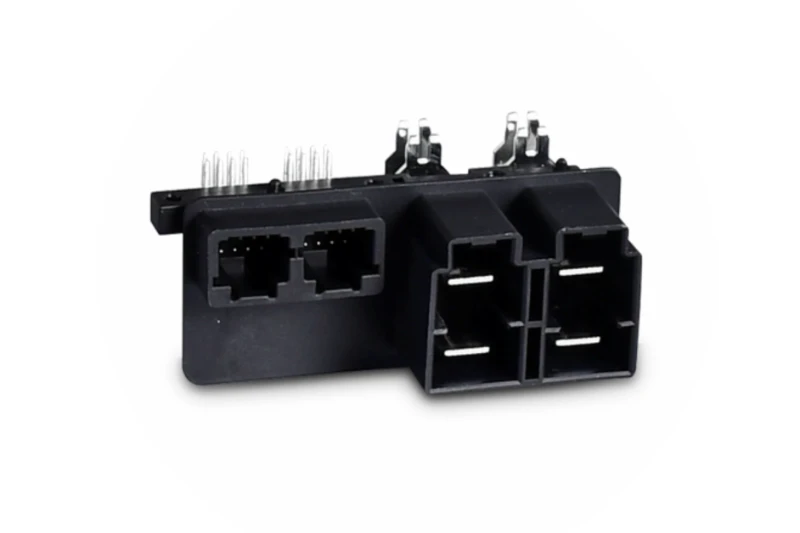
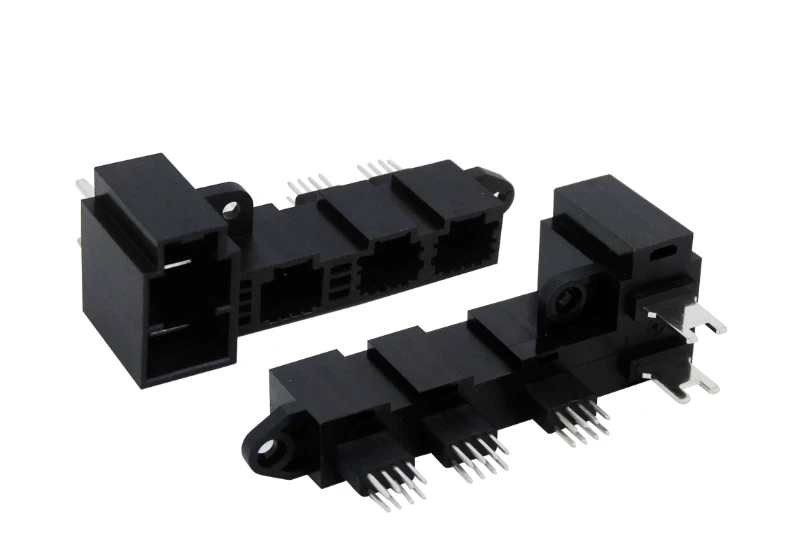
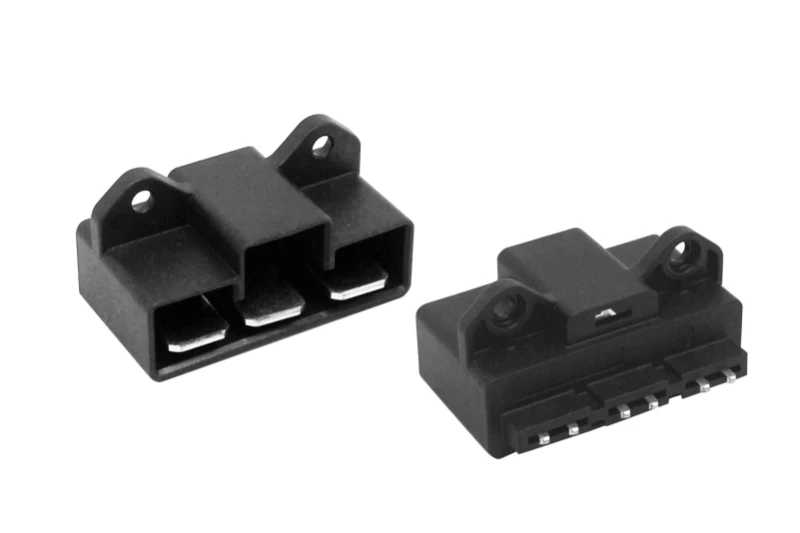
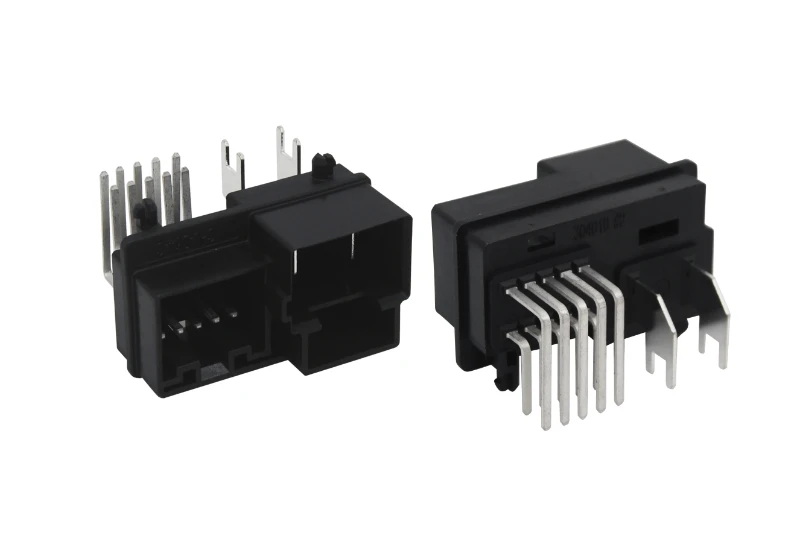
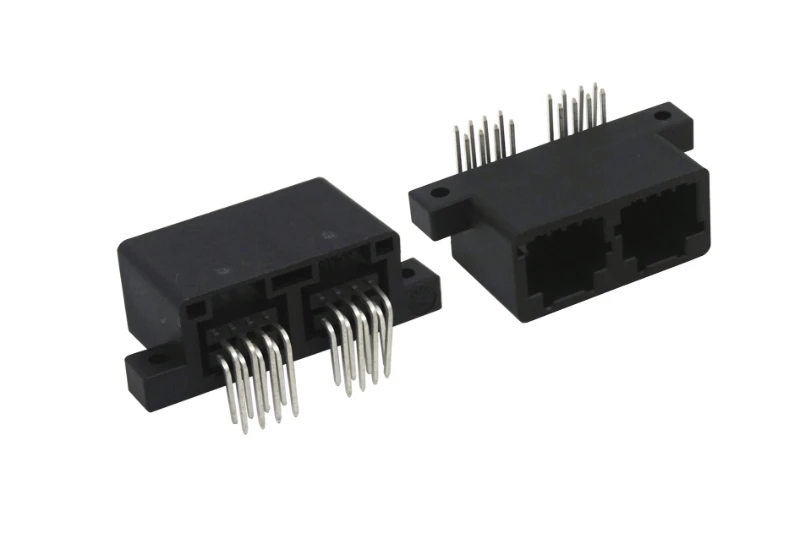
Aligned with the electrification and advanced autonomous driving trends of new energy vehicles, we specialize in precision plastic housing manufacturing for onboard perception and chassis electronic control, featuring millimeter-wave radar, corner radar, and ESP hydraulic electronic control protective enclosures. Balancing vehicle lightweight design, driving safety, and sensing precision, we optimize material formulations and housing structures to balance impact resistance, high-temperature tolerance, and electromagnetic shielding performance, achieving waterproof sealing and high-precision dimensions. Adapting to new energy vehicle integrated assembly logic with full-process automotive-grade verification, we help automakers streamline supply chains and shorten component R&D cycles.
Solution Details
Learn more about the core content of this solution
Industry Pain Points
With the upgrade of new energy smart driving and the refined iteration of chassis electronic control, the sensing and electronic control housing industry generally faces six major pain points:
• Insufficient structural strength: Chassis bumps and road impact loads are large, radar and ESP housings are prone to fracture and buckle detachment;
• Lack of shielding effectiveness: Smart driving high-frequency sensing signals are susceptible to electromagnetic noise interference, poor housing shielding causes radar misjudgment and ESP failure;
• Seal failure and water ingress: Chassis wading, rain and snow cause water ingress, corroding internal sensing components and triggering driving faults;
• Lightweight contradiction: High-strength materials are heavy, lightweight plastics lack rigidity, difficult to balance weight reduction and protection;
• Insufficient material weather resistance: Engine compartment high temperature and chassis oil contamination erode housings, causing deformation and peeling, affecting assembly fit;
• Strict precision tolerances: Radar transceiver and ESP installation require extremely high alignment precision, ordinary injection molding has large deviations and low assembly fit rates.
Core Solution
Focusing on new energy smart driving perception and chassis electronic control, we specifically address four core needs: structural protection, electromagnetic shielding, airtight sealing, and precision molding.
• Applicable scenarios: Forward millimeter-wave radar housing, corner radar sensor housing, ESP hydraulic electronic control housing, brake sensing protective housing, smart driving perception plastic structural components;
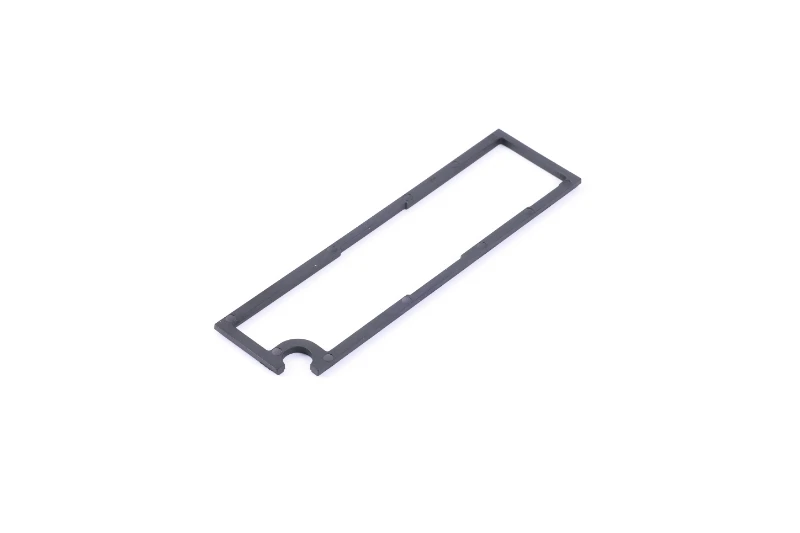
• Core capabilities: Modified reinforced engineering plastic substrate, balancing lightweight and impact rigidity; embedded shielding coating and conductive structure, enhancing electromagnetic shielding effectiveness, ensuring radar ranging and vehicle attitude calculation precision; integrated sealing groove design with dedicated waterproof gaskets, achieving long-term airtight protection; micron-level injection molding process, strictly controlling installation tolerances, ensuring precise alignment assembly;
• Scenario advantages: Adapting to narrow chassis installation space, irregular structures can be quickly molded; oil-resistant, high-temperature resistant, anti-aging, suitable for new energy vehicle full operating conditions; full automotive-grade verification, excellent molding stability, supporting targeted customization of appearance, installation positions, and heat dissipation structures.
Solution Advantages
• Dedicated material formulation for sensing and electronic control, balancing lightweight and structural impact resistance;
• Integrated electromagnetic shielding design, eliminating smart driving sensing signal interference risks;
• Multi-layer airtight sealing structure, waterproof, dustproof, and oil-contamination resistant, protecting internal circuits;
• Micron-level precision injection molding, precise alignment assembly, adapting to vehicle assembly line production;
• Automotive-grade plastic substrate, flame retardant and temperature resistant, passing vehicle reliability acceptance;
• Synchronized with smart driving R&D pace, rapid iteration mold modification, shortening chassis component development cycles.
Solution Value
Ensuring safe and stable operation of new energy vehicle power systems, electronic control systems, and intelligent driving systems, eliminating driving safety hazards; compliant products help automakers pass certification and achieve rapid mass production; stable component quality reduces vehicle after-sales failure rates, enhancing vehicle brand reputation and market competitiveness.
Solution Summary
With the rapid upgrade of new energy vehicle intelligence and electrification, connection reliability of core electronic control and smart driving links is crucial. Leveraging professional automotive-grade technology and stringent quality control systems, we create dedicated connection solutions adapted to new energy vehicles, continuously empowering automakers' mass production and iteration with core advantages of safety, stability, high-speed, and compliance.
Related Products
Products involved in this solution