Ultrasonic/Millimeter-Wave Radar Housing | Automotive ADAS System Supporting Project
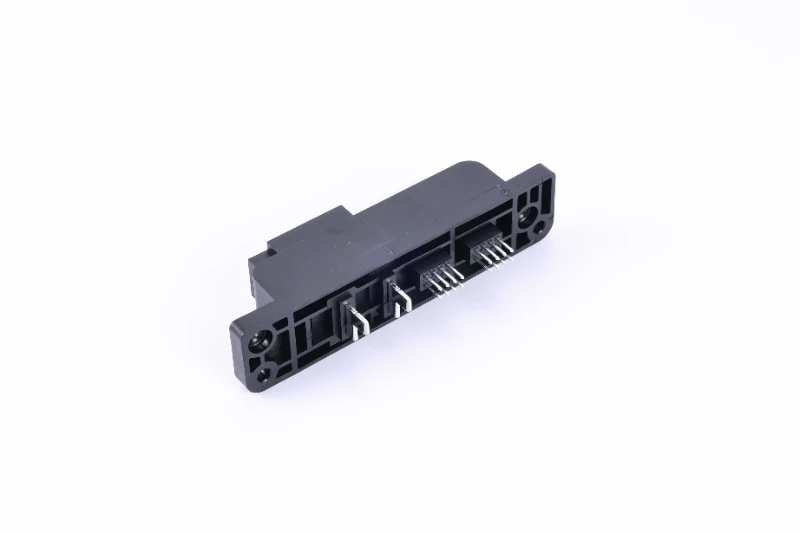
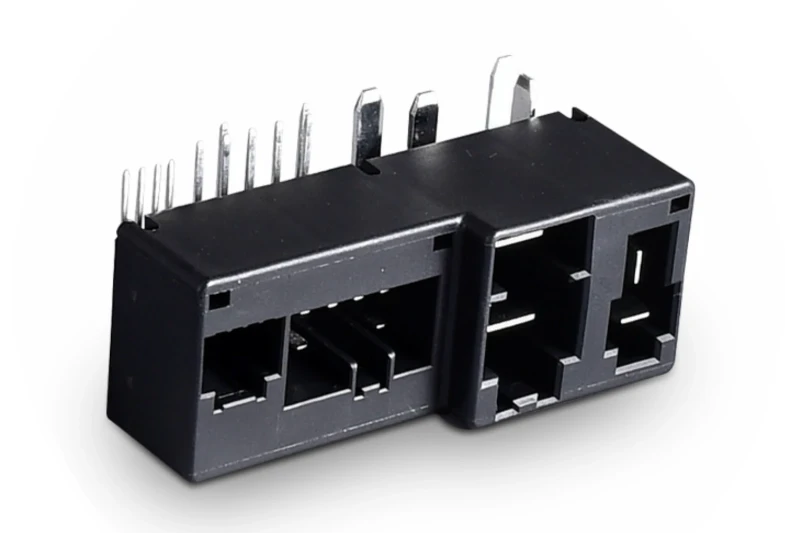
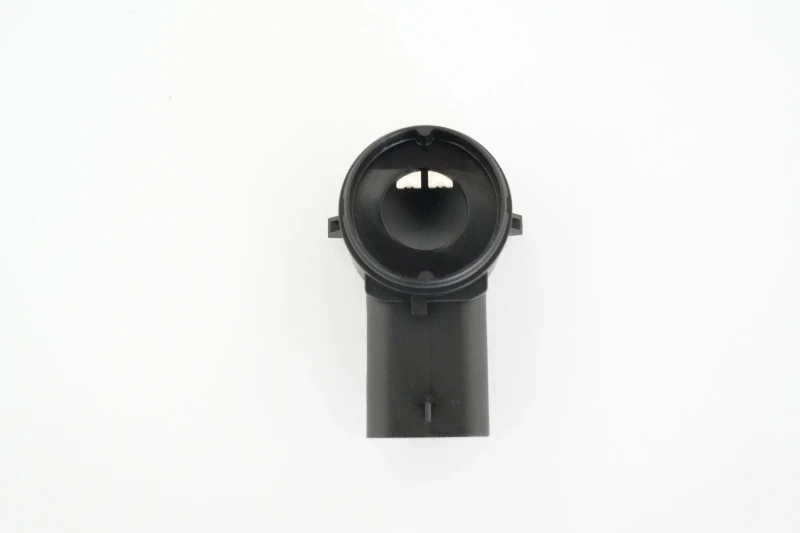
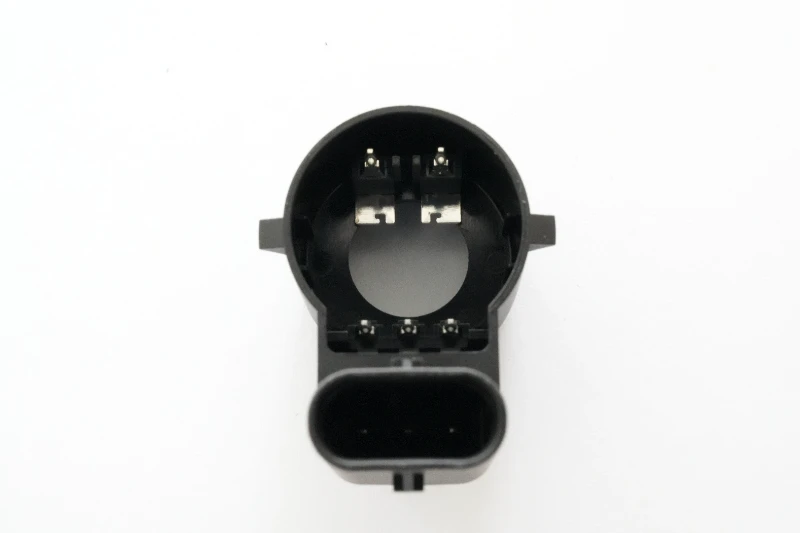
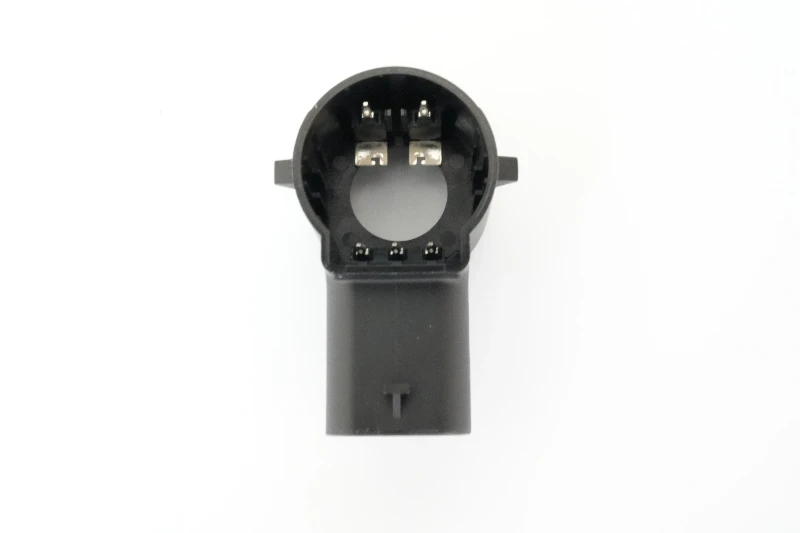
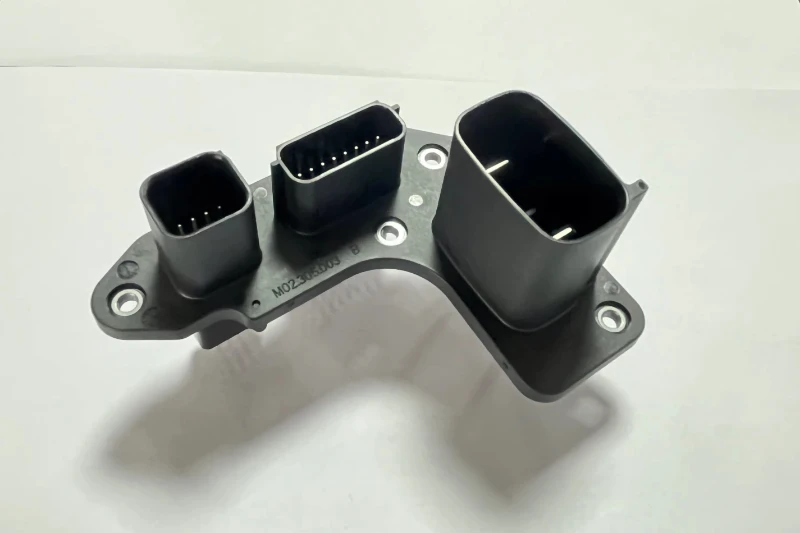
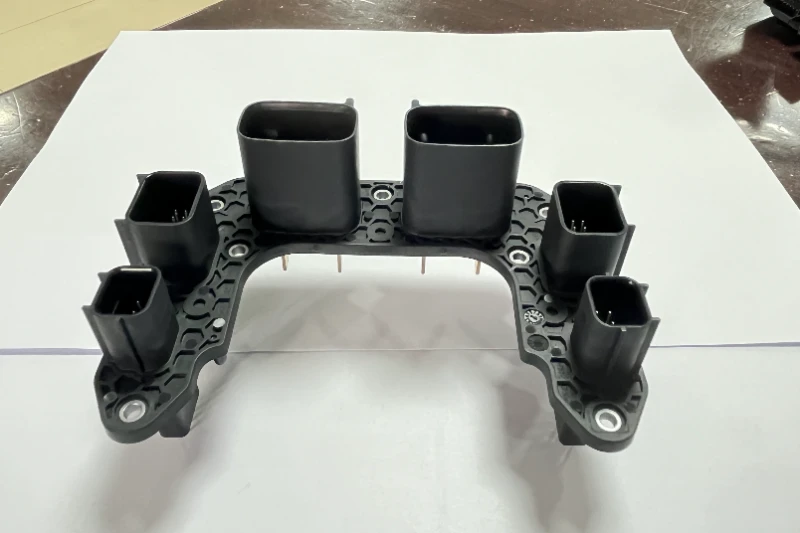
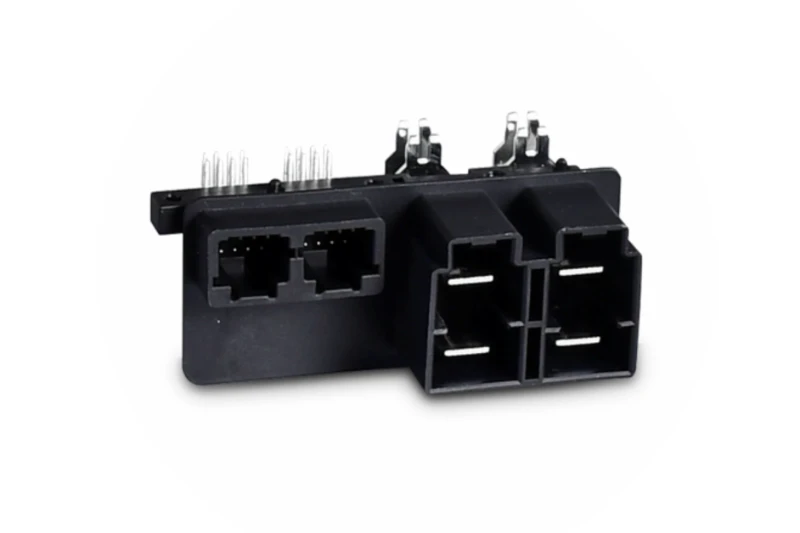
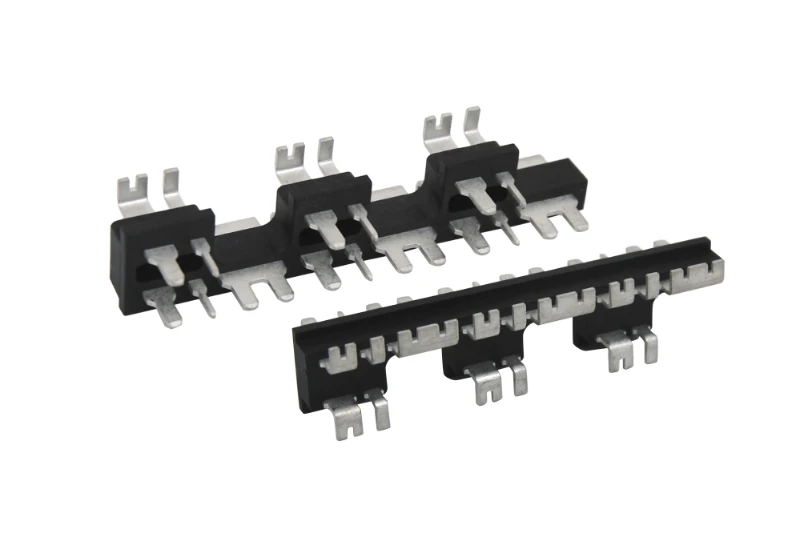
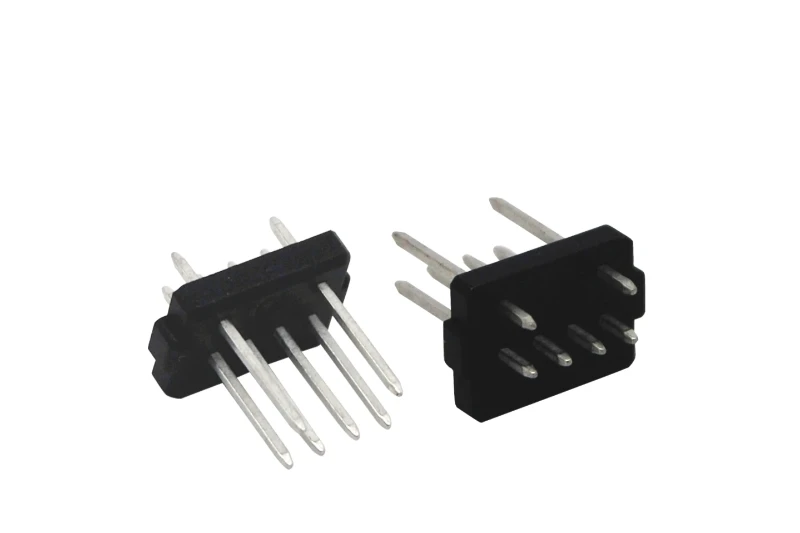
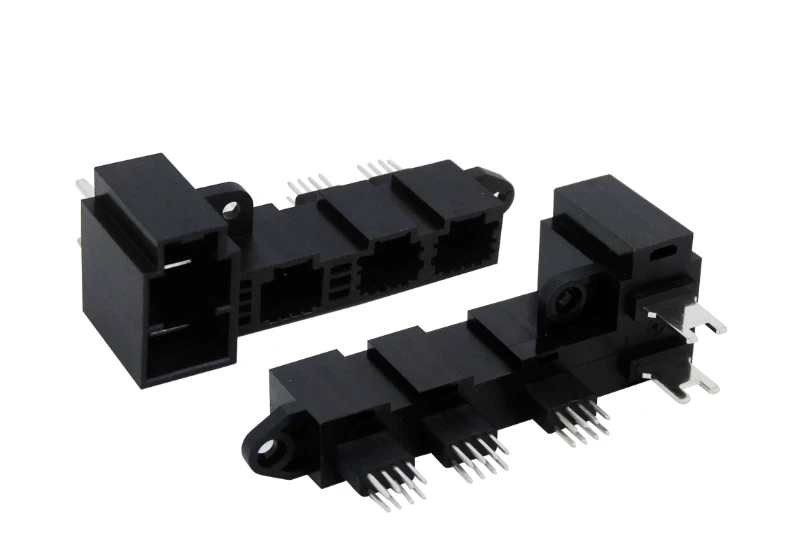
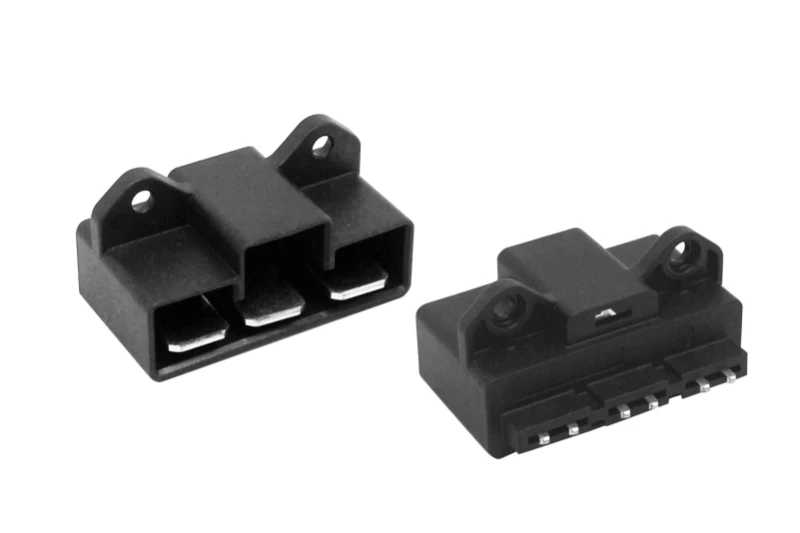
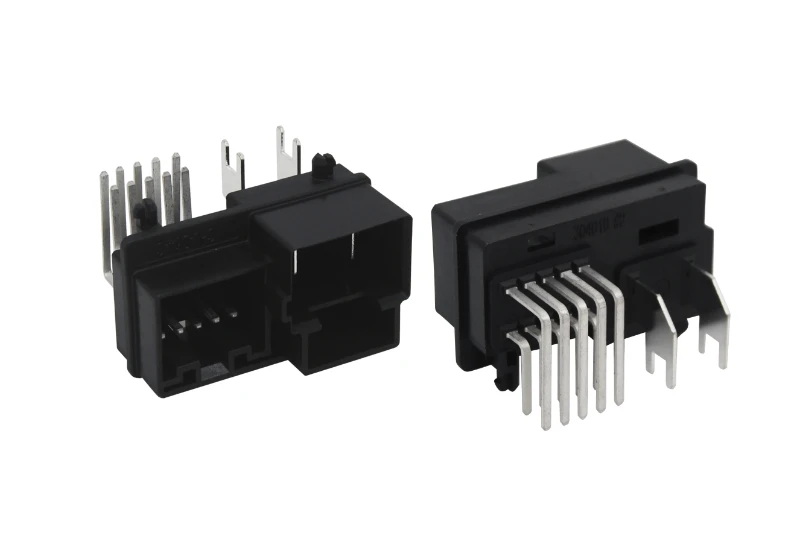
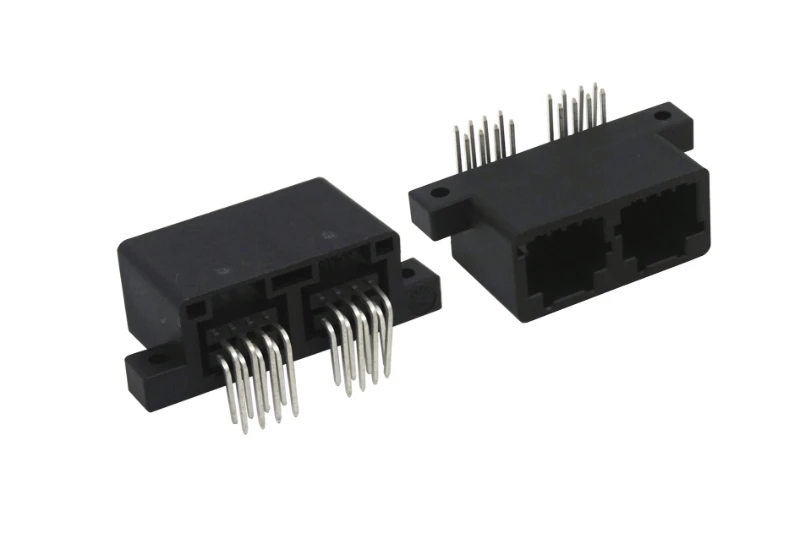
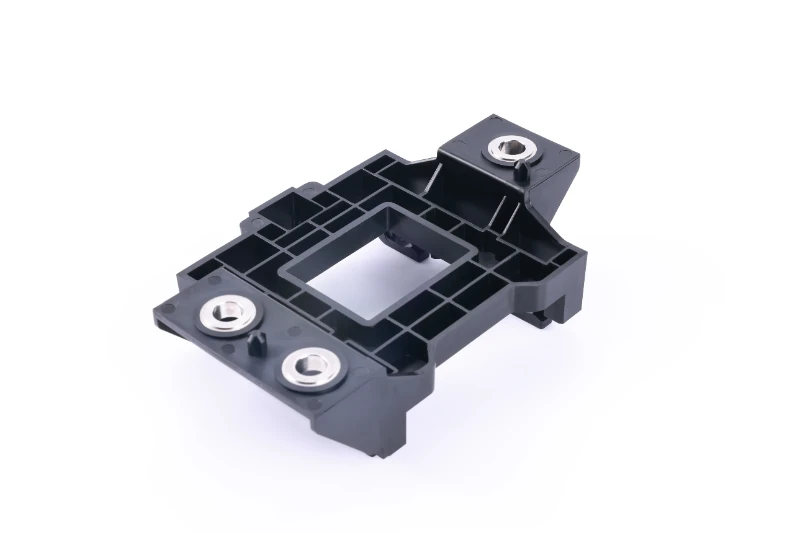
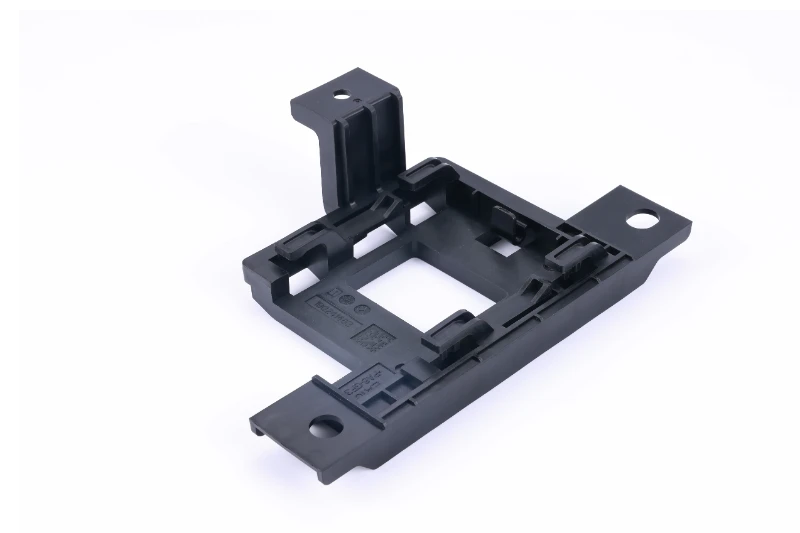
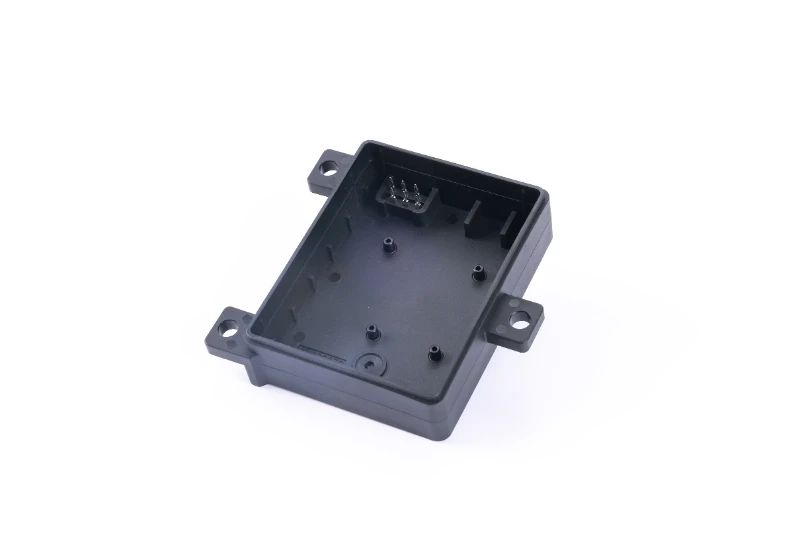
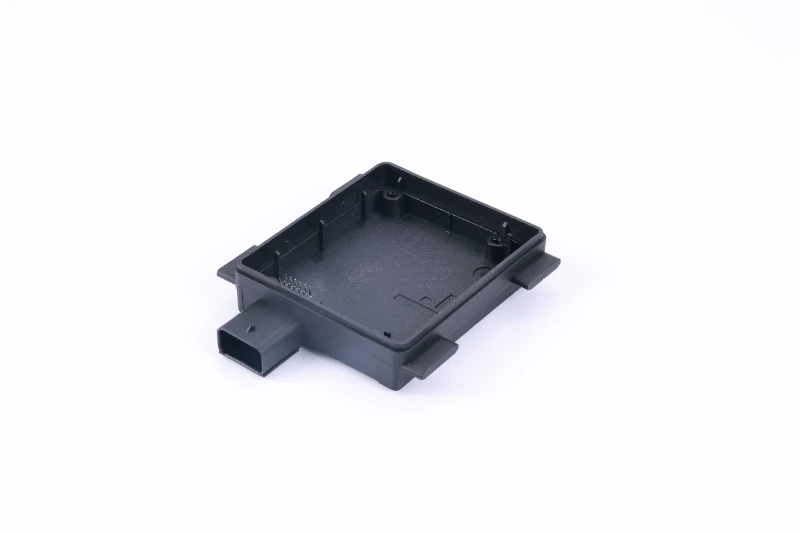
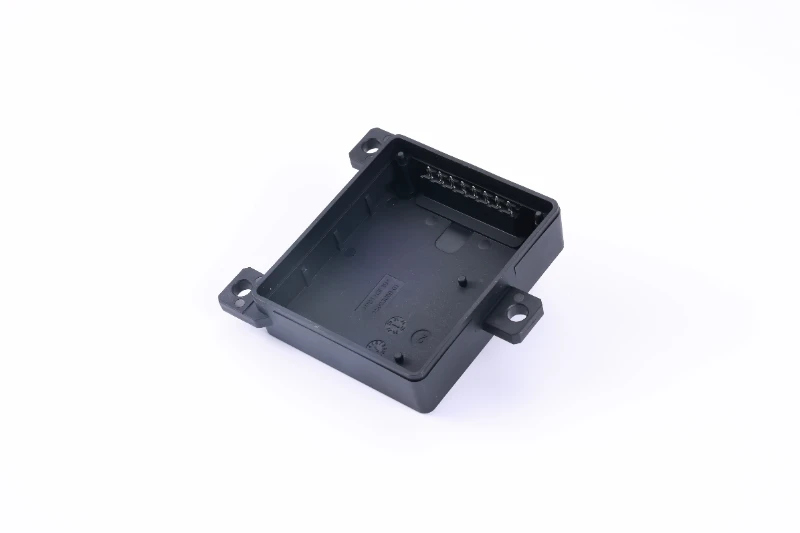
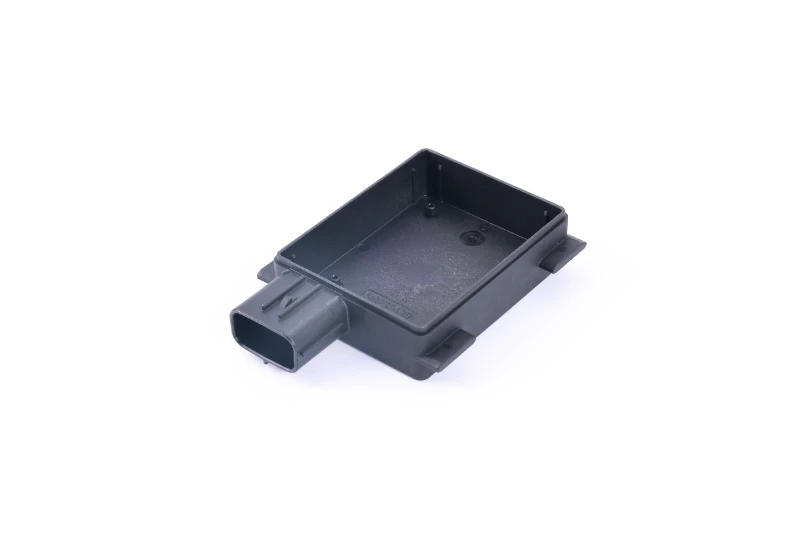
The original radar housing of the ADAS perception module in domestic new energy vehicle companies faced issues such as insufficient injection molding precision, sealing failure, and deformation under high and low temperatures, leading to abnormal radar detection after water infiltration on bumpy roads. Our company has customized a modified material precision radar housing, optimized the sealing grooves and internal positioning structure, and met the automotive-grade AEC-Q reliability requirements. The housing meets the standards for shock resistance, weather resistance, and electromagnetic shielding performance. It is verified simultaneously with EPS supporting components, achieving fixed-point mass production for multiple vehicle models and significantly reducing the rework rate of radar modules.
国内知名新能源车企
制造业
Project Details
1. Project Background
As a domestic new energy passenger vehicle OEM, our new generation of models are equipped with an ADAS (Advanced Driver Assistance System) system, which includes millimeter-wave radar and ultrasonic radar for distance measurement, collision avoidance, and blind spot monitoring functions, as well as an EPS (Electric Power Steering) system. The customer's existing outsourced radar housing has large injection molding tolerances and design defects in the housing sealing structure, making the vehicle prone to water ingress during rain, snow, and bumpy roads. The temperature difference between the engine compartment and the bumper is significant, causing the housing to easily undergo thermal deformation, which can squeeze the internal PCB and sensor chips, resulting in inaccurate radar detection, occasional signal loss, and a high after-sales repair rate. A set of automotive-grade radar housing solutions is urgently needed.
2. Core pain points of customers
The injection molding dimensional tolerance of the radar housing is large, leading to inaccurate internal installation positioning and difficulties in aligning the radar PCB board during assembly, resulting in low production yield;
The original shell sealing design was weak, and after vehicle vibration, the sealing ring shifted, allowing water vapor to penetrate, resulting in the failure of the radar module;
Ordinary plastic has insufficient temperature resistance and anti-aging performance, and the shell deforms in high temperature environments in summer, affecting the stability of radar sensing;
The weak electromagnetic shielding capability of the housing and electromagnetic interference from the on-board wiring harness cause radar signal drift;
It is necessary to synchronize and match the supporting components of the EPS steering system to uniformly meet the vehicle specification verification standards.
3. Customized Solutions
Our company provides customers with an integrated precision structural solution combining millimeter-wave radar housing and ultrasonic radar housing, which is synchronously verified and validated in conjunction with EPS components:
High-temperature resistant modified engineering plastics are selected, precision molds are customized, and the dimensional tolerances of the housing are strictly controlled to ensure accurate positioning and assembly of the radar PCB and sensors;
The shell features an integrally molded sealing groove structure, paired with an aging-resistant rubber seal ring, enhancing waterproof and dustproof capabilities and resisting seal failure caused by driving vibration;
The shell is designed with an additional shielding coating to suppress on-board electromagnetic interference, reduce radar signal drift, and ensure ADAS detection accuracy;
The material is optimized for resistance to thermal deformation and UV aging, and is suitable for use in engine rooms under wide temperature conditions ranging from -40℃ to 125℃;
The entire housing has undergone a full set of reliability tests including thermal shock, random vibration, damp heat aging, and salt spray, in accordance with AEC-Q automotive standards. It can be tested alongside EPS steering components to complete the entire vehicle testing.
4 Project Achievements
The consistency of shell dimensions has been significantly improved, the assembly yield of radar modules has been enhanced, and the assembly process has been simplified;
The problems of water infiltration and high-temperature deformation of the shell have been solved, resulting in stable radar detection signals and a significant reduction in module repair rates;
Through the full set of vehicle specification reliability verification conducted by the original equipment manufacturer (OEM), we have successfully obtained fixed points for multiple ADAS vehicle model projects;
We achieve stable batch supply of radar casings, with synchronous delivery of supporting EPS components, and establish long-term strategic cooperation.
5. Case Summary
Our company possesses precision R&D and injection molding capabilities for millimeter-wave radar and ultrasonic radar housings. Our products strictly adhere to automotive-grade standards, balancing structural strength, sealing protection, and electromagnetic shielding. They are compatible with ADAS (Advanced Driver Assistance System) and can be paired with EPS (Electric Power Steering) steering system components, providing reliable structural support for intelligent driving perception systems.
Related Products
Products involved in this case
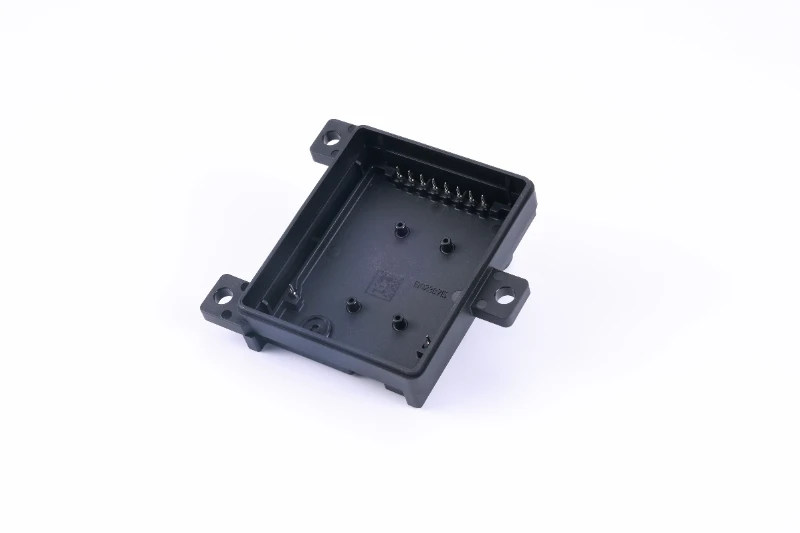
Radar bottom shell
CD139-C010-1000
Automotive sensor / Radar sensor housing - front radar bracket
CD139-C010-1000 | Electrical Connector | IP6K8 Sealed | High Voltage Resistant | Non-magnetic Process | Automotive Grade Material | High Reliability | Precision Tolerance | Anti-oxidation Coating
View Product