Vehicle-mounted shielding/cooling/radome | AI intelligent driving domain controller and radar module supporting project
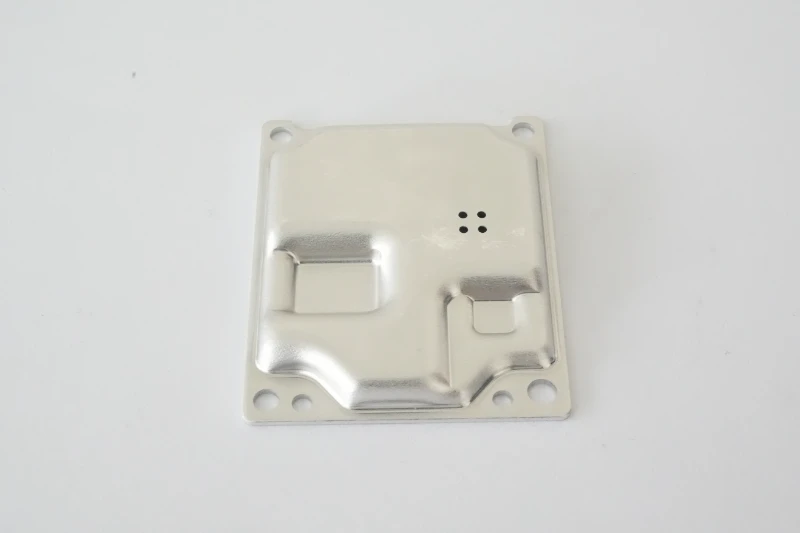
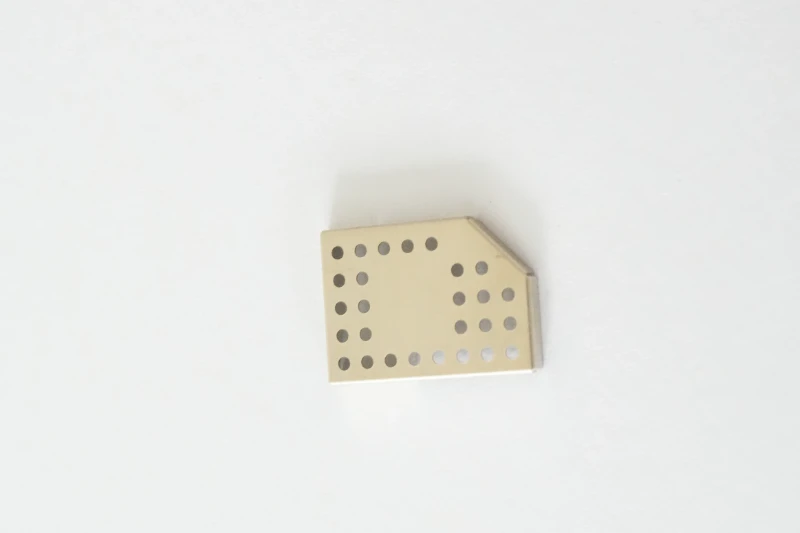
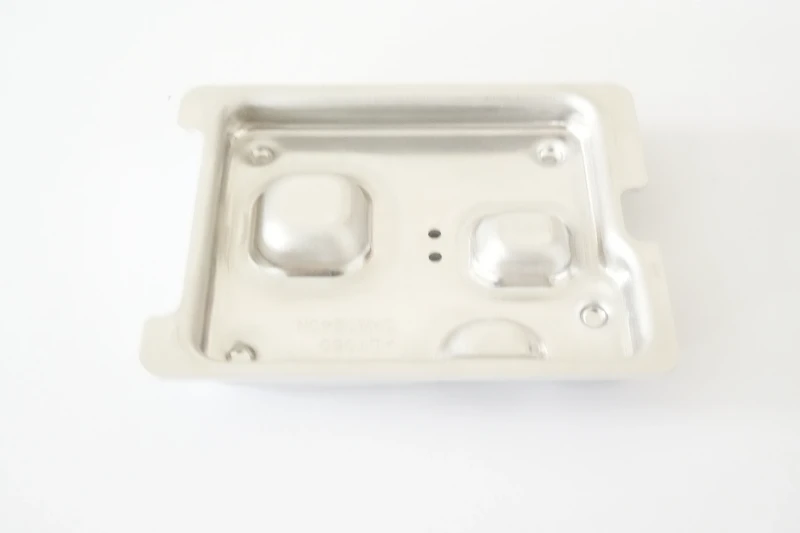
The onboard domain controller and radar module of intelligent driving solution providers are prone to electromagnetic interference due to their internal circuits, poor chip heat dissipation, and inadequate antenna protection, leading to unstable AI perception data. Our company customizes integrated shielding covers, heat dissipation covers, and antenna covers that combine electromagnetic isolation, thermal conduction and dissipation, and antenna protection. These products have passed AEC-Q automotive testing, ensuring pure radar and domain controller signals and stable support for AI multi-sensor fusion operations. They are now available for bulk supply to designated customers.
某智能汽车企业
制造业
Project Details
1. Project background
Domestic enterprises specializing in intelligent driving solutions are engaged in the research and development of high-end AI intelligent driving domain controllers and in-vehicle radar perception modules. The domain control motherboard integrates high-computing-power AI chips, paired with millimeter-wave radar and antenna components. During operation, the chips generate significant heat, and internal circuits mutually produce electromagnetic crosstalk. External in-vehicle wiring harnesses also introduce interference. The original shielding structure is scattered and lacks sufficient heat dissipation efficiency. The antenna lacks a dedicated protective casing. In high-temperature and vibration environments, electromagnetic noise contaminates the radar's original signals, causing the chip to overheat and reduce its frequency. This directly leads to false detections in AI perception algorithms and limited computing power, affecting the stable operation of ADAS functions. There is an urgent need for an integrated structural solution that combines electromagnetic shielding, heat dissipation, and antenna protection.
2. Core pain points of customers
The domain control PCB and radar RF circuit lack reliable shielding, leading to electromagnetic crosstalk interference with RF signals, which in turn causes distortion in radar point clouds and misjudgments by AI algorithms;
The AI computing power chip operates continuously at high load, accumulating heat without an appropriate heat sink. High temperatures trigger chip frequency reduction, resulting in insufficient computing power for intelligent driving;
The on-board antenna assembly lacks a dedicated radome, making it susceptible to damage from vibrations, sand, and water vapor during driving, which can affect the stability of signal transmission and reception;
The fit of various cover sizes is poor, assembly is cumbersome, and it is difficult to meet the requirements of automated production line assembly;
All structural components must meet the reliability tests for high and low temperatures, vibration, salt spray, and other aspects specified for automotive standards.
3. Customized Solutions
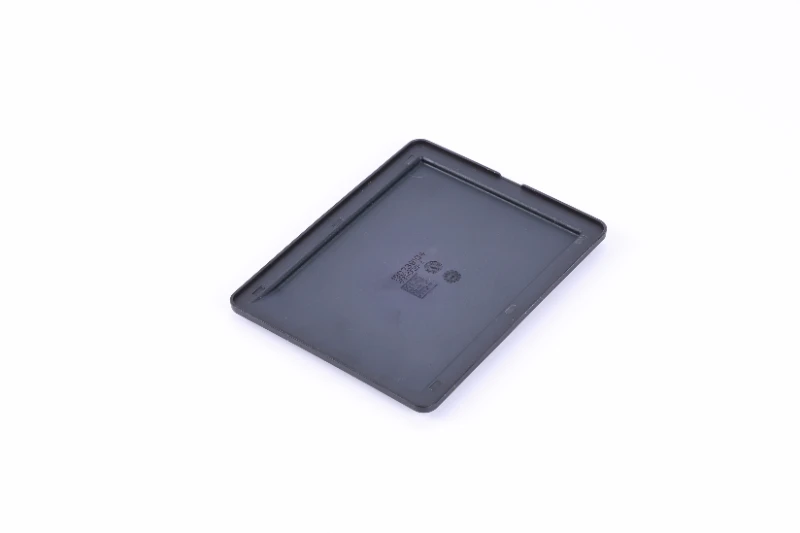
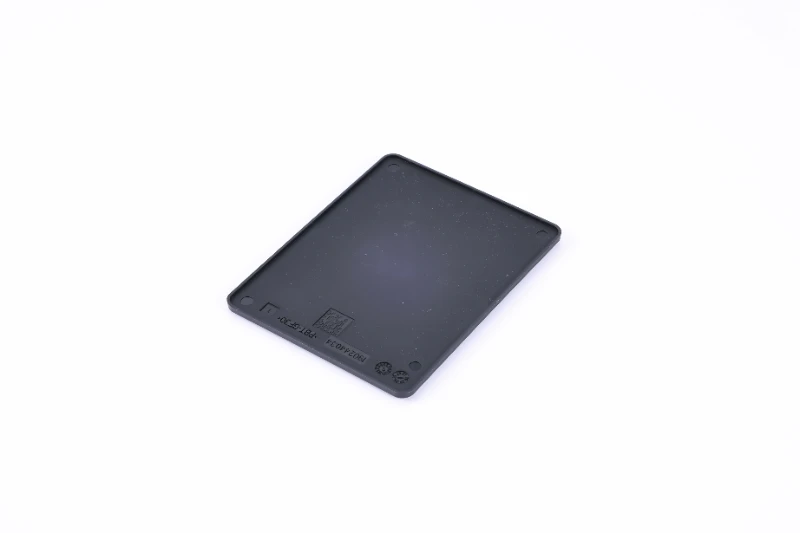
Our company provides customers with a complete set of precision structural components for vehicle-mounted equipment, including shielding covers, heat dissipation covers, and antenna covers:
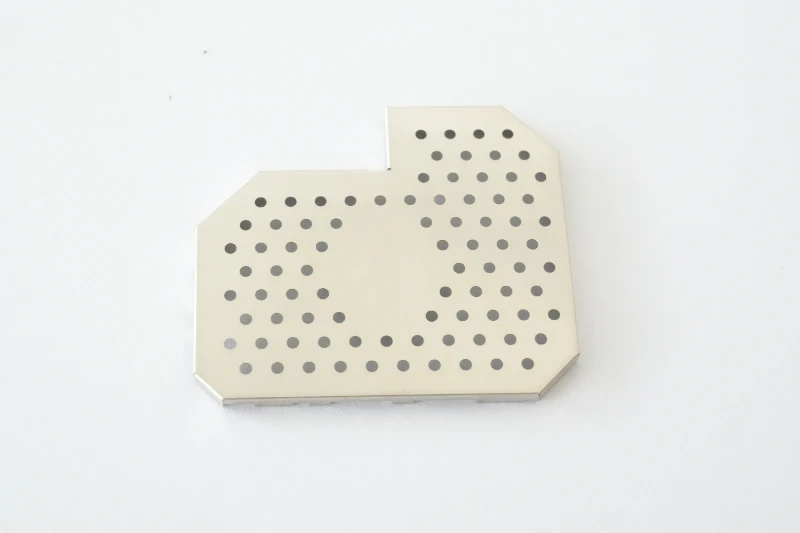
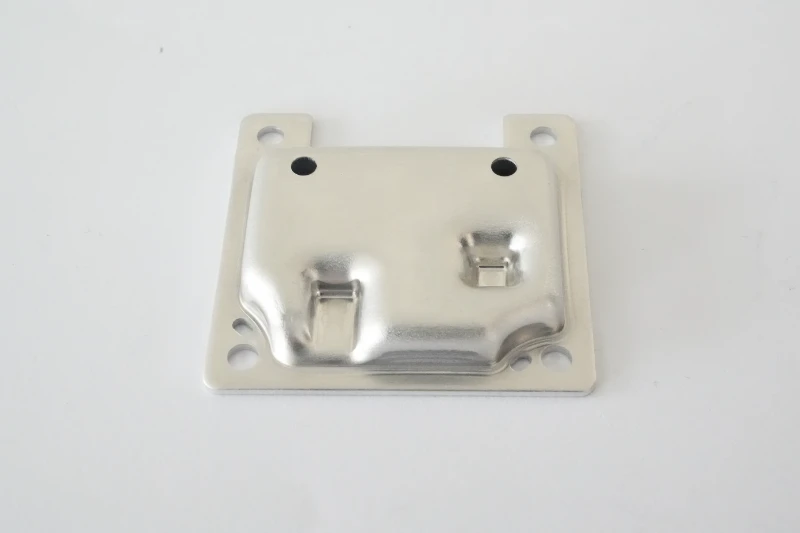
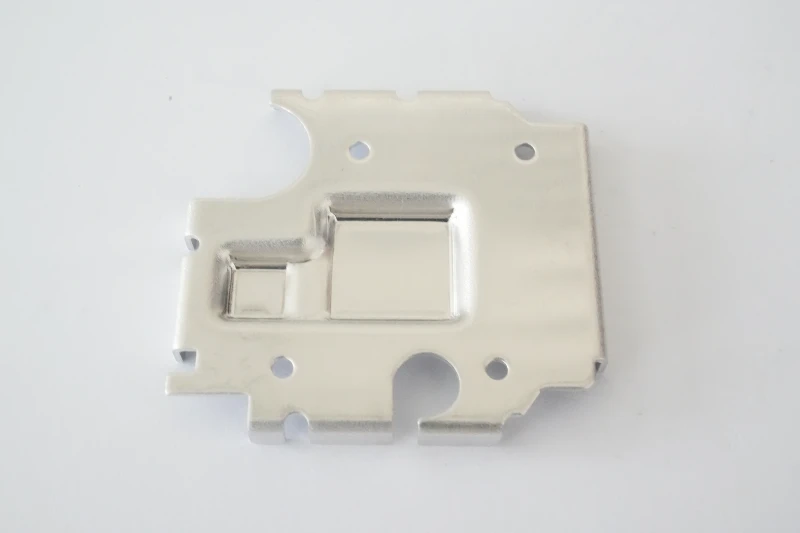
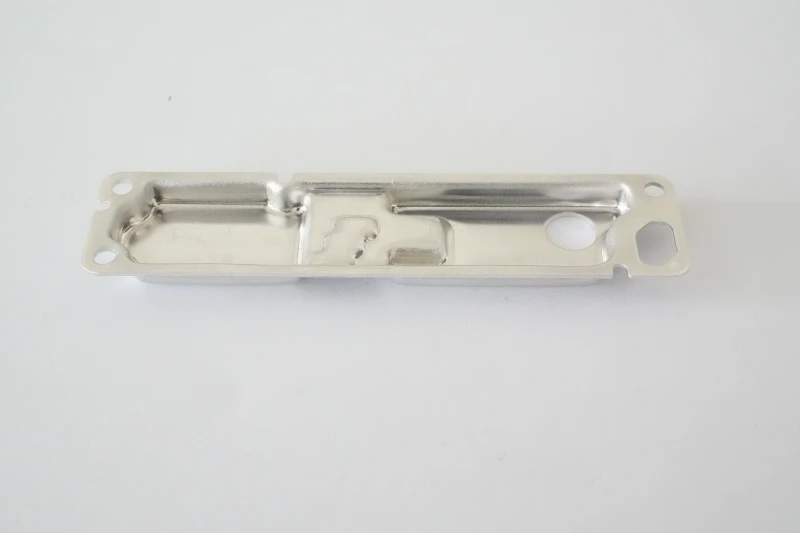
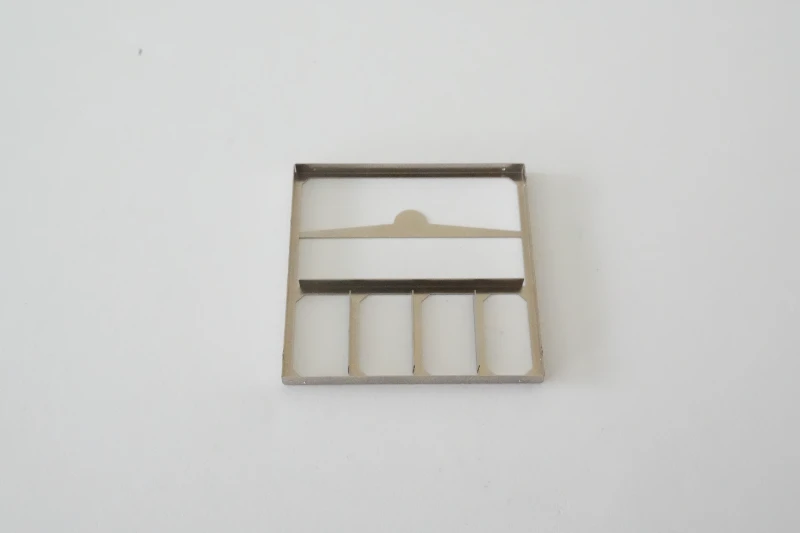
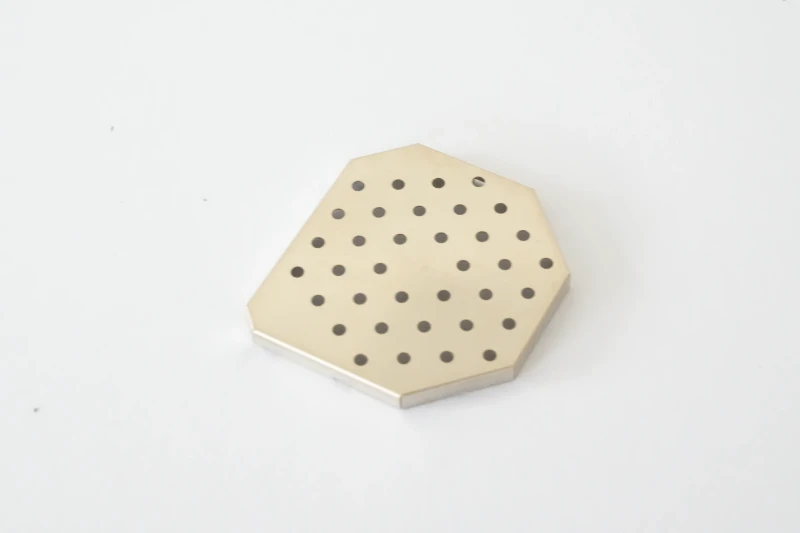
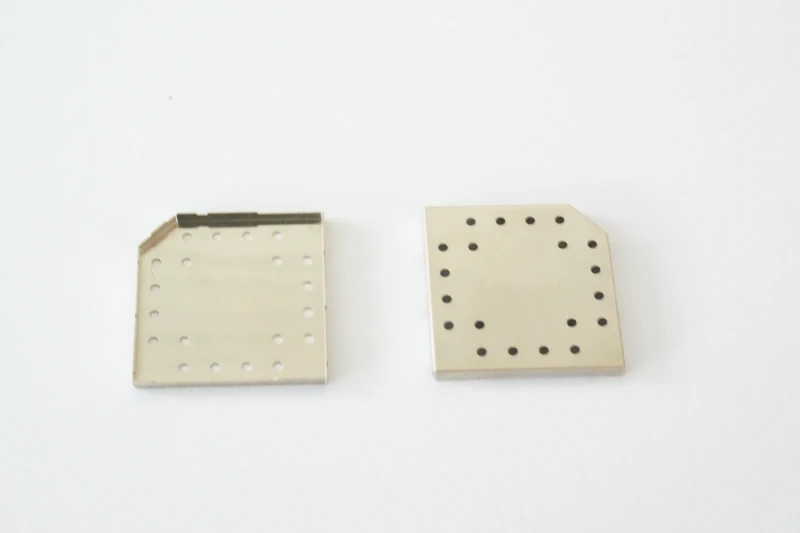
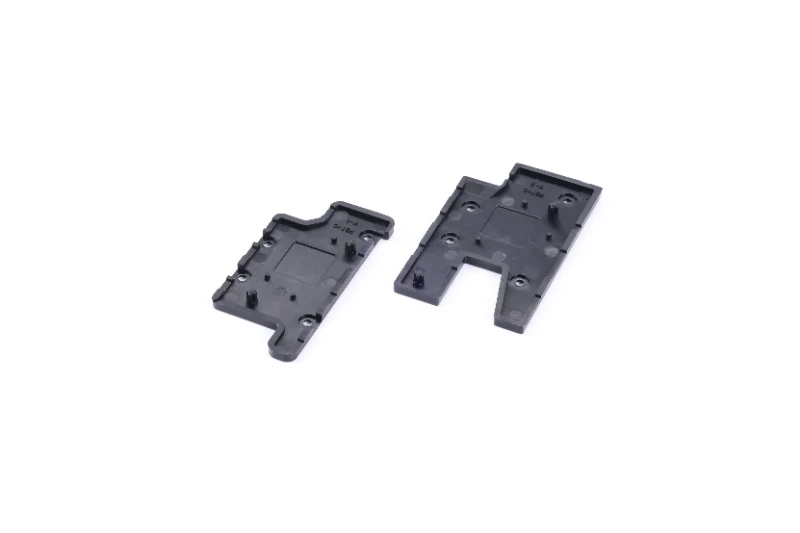
Shielding cover: Precision metal stamping and forming, with a cavity isolation design, provides electromagnetic shielding for the RF area of the domain control mainboard and the radar circuit partition, isolating inter-board crosstalk and external on-board electromagnetic interference, ensuring the purity of the original signals from the radar and antenna;
Heat sink: Optimizing the thermal contact surface and airflow structure, enhancing the heat conduction efficiency of AI chips and power devices, quickly dissipating internal heat, preventing high-temperature throttling, and ensuring continuous and stable output of intelligent driving computing power;
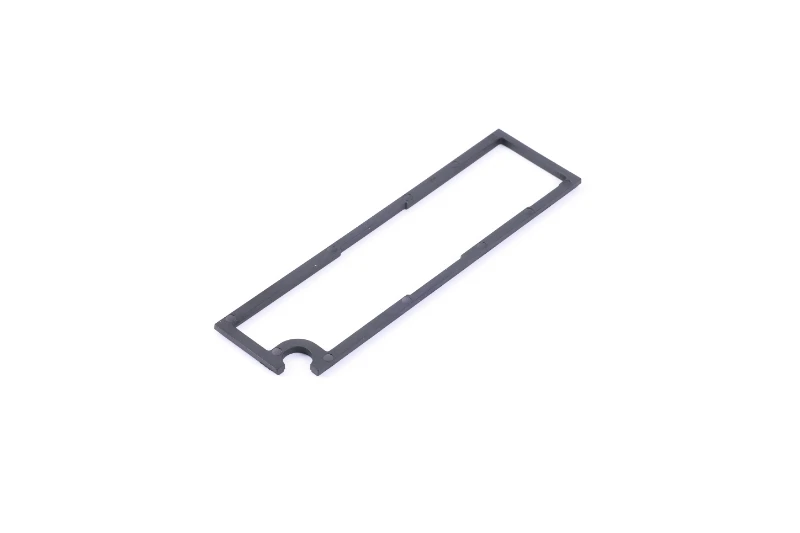
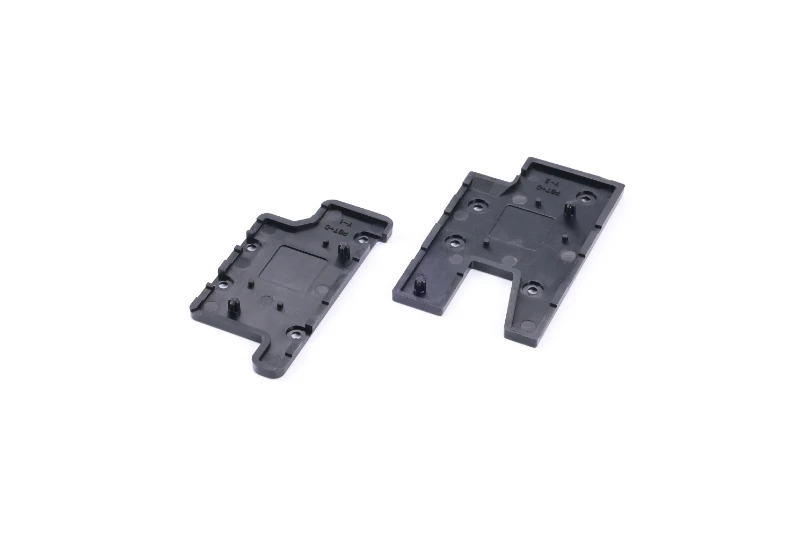
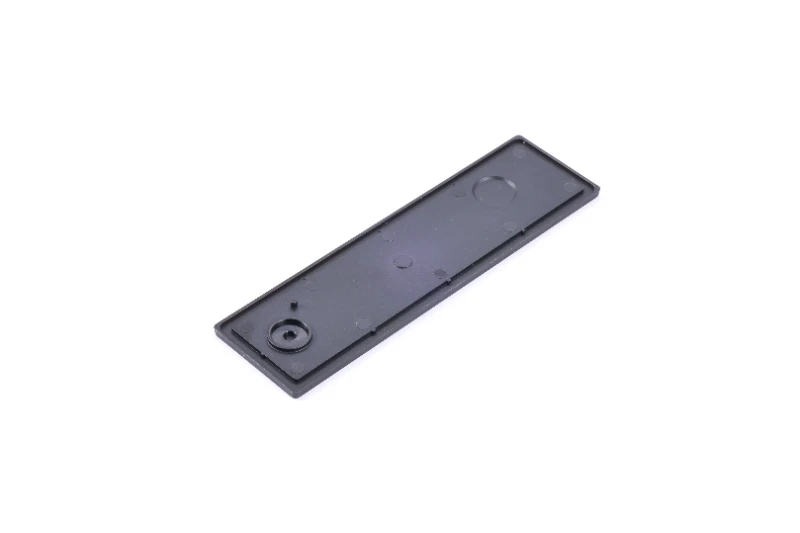
Radome: Made of low-dielectric, weather-resistant modified materials, it does not attenuate the antenna's radio frequency signals. At the same time, it possesses impact resistance, waterproof, and dustproof capabilities, protecting the antenna from erosion by sand, gravel, and moisture;
The entire cover body undergoes tolerance optimization, featuring a snap-on structure that facilitates automated assembly. The entire set of products is subjected to reliability verification in accordance with AEC-Q standards, including thermal shock, random vibration, damp heat, and salt spray testing;
It can be delivered in combination with the radar housing and RJ45 connector, achieving a one-stop structure + connection kit for the perception module.
4. Project Achievements
The shielding case effectively suppresses electromagnetic interference, enhances the purity of radar RF signals, and significantly reduces false detection and missed detection issues in AI multi-sensor fusion;
The heat sink cover improves the thermal environment of the domain controller chip, eliminates high-temperature frequency reduction, and ensures continuous and stable computing power for AI intelligent driving;
The radome protects the antenna components, resists impacts from the driving environment, and ensures long-term stability of the antenna's transmission and reception performance;
The complete set of shielding, heat dissipation, and antenna structural components have successfully passed the vehicle testing, completed project positioning, and achieved mass supply;
The one-stop supporting model simplifies customer supply chain management and establishes long-term strategic cooperation.
5. Case Summary
Our company can provide precision structural components for vehicle-mounted shielding covers, heat dissipation covers, and antenna covers, which cater to three core needs: electromagnetic isolation, thermal conduction and dissipation, and antenna signal protection. These components are compatible with AI intelligent driving domain controllers, millimeter-wave radar modules, and other vehicle-mounted perception hardware. They can be paired with radar housings and RJ45/SFP/USB connectors for a one-stop supporting solution, providing a complete structural protection scheme for high-end intelligent driving hardware.